
Utility payments are recurring, but rewards eligibility is not universal. Electricity retailers, telcos, municipal charges and payment services can each follow different rules. Verify before automating.
Classify the bill
List the provider, payment route, billing currency, due date and average amount. Distinguish a direct recurring-card charge from a bank bill-payment facility or third-party platform. Check the provider accepts the chosen method without a surcharge.
Check issuer conditions
Read the current rewards exclusions and minimum-spend rules. Some cards treat utilities or government-related payments separately. Do not rely on a comparison-page rate without confirming the bank's own terms and effective date.
Make automation resilient
Set a reminder before card expiry, keep enough credit limit for seasonal peaks, and review the first two statements after setup. Assign a backup payment method where missed service would matter. HeyMax can still support the broader household-rewards plan through currently eligible merchants and vouchers, even when the utility bill itself is not eligible.
The objective is reliable payment first, rewards second. A missed bill or convenience fee can erase months of points.
FAQ
Does a bill-payment service count the same as paying the provider? Not necessarily; the transaction path differs.
Can utility bills help meet minimum spend? Only if the issuer's current terms include them.
How often should I recheck? At least quarterly and whenever the provider, card or payment method changes.
What if the official sources disagree? Prefer the source governing the exact account, market and transaction. Note effective dates and seek provider confirmation before committing money or irreversible points.
How conservative should reward value be? Use the value of an achievable, intended use after fees. If no credible use exists, assign little or no decision value rather than importing a headline valuation.
How long should records be kept? Keep terms, confirmations and receipts through fulfilment, reward posting and any refund, dispute or claim period. Follow longer legal or provider requirements where applicable.
When does simplicity win? When two options are close, choose the path with clearer support, fewer irreversible steps and lower monitoring burden. A strategy that is repeatedly executed correctly can outperform a fragile theoretical maximum.
Internal links: How to choose the right rewards card; How Max Miles are funded; Resources hub.
A bill inventory that catches hidden differences
Create one row for electricity, gas, water, telco, broadband, insurance and municipal charges. Record provider, account name, average amount, due date, payment method, convenience fee and card eligibility source. Separate household services from government or insurance payments because card exclusions may treat them differently.
If a provider offers GIRO, direct card payment and a third-party portal, compare reliability and total cost. A portal may add convenience but change merchant classification or charge a fee. A direct debit may earn no card reward yet provide the simplest payment continuity. Reliability is a form of value.
Auto-pay migration example
A household replaces an expiring card used for five bills. Rather than update accounts from memory, it uses the register, changes one provider at a time and records confirmation numbers. It leaves enough time for one billing cycle before the old card closes. It also checks whether any provider performs a small verification charge or requires a paper form.
After the first cycle, the household reconciles expected and posted amounts. If a payment failed, it resolves the bill before investigating rewards. This ordering protects service and credit history.
Minimum spend without circular reasoning
Some people place bills on a card to meet a minimum-spend threshold. That is sensible only when the bills qualify and the household would pay them anyway. Do not add optional services or route a bill through a fee-charging platform just to unlock a reward without calculating net value.
Use a conservative forecast. Seasonal energy use or an annual insurance premium should not be treated as a stable monthly amount. Keep a buffer below any cap and above any threshold rather than relying on an exact bill.
Where HeyMax fits honestly
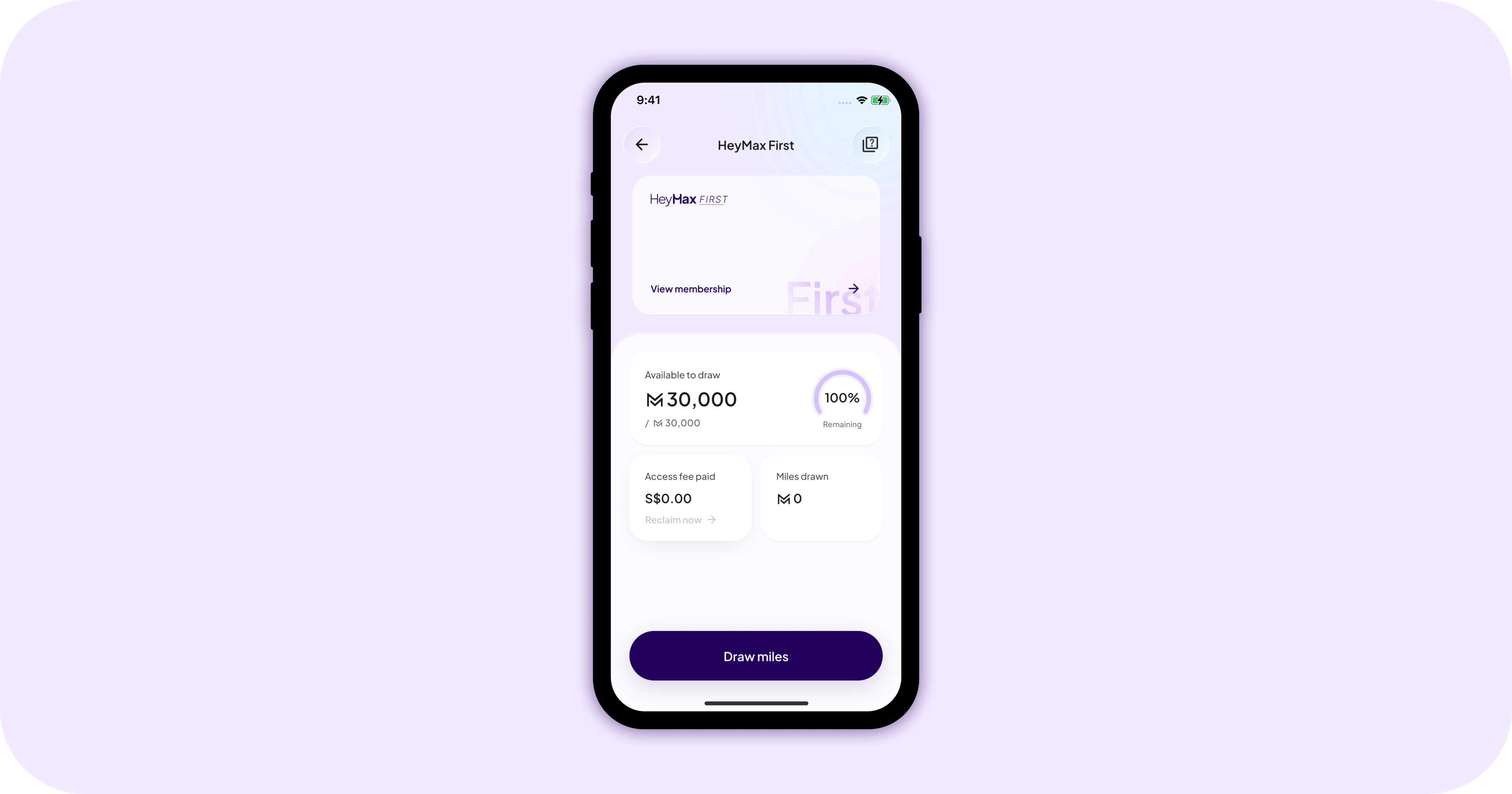
HeyMax can support adjacent household spend—currently eligible shopping, vouchers or partner merchants—but the article should not imply every utility provider earns Max Miles. Search the provider or relevant merchant in-app. If no eligible route appears, pay the bill using the safest verified method and use HeyMax elsewhere.
Expanded FAQ
Can I pay a bill early to secure rewards? Only if the provider accepts prepayment, the issuer counts it, and doing so does not create refund or cash-flow risk.
What if the provider changes payment processor? Recheck the posted merchant and issuer treatment. Keep the bill paid while updating the rewards assumption.
Are insurance premiums utilities? No. Treat them as a separate category and read specific exclusions.
What should happen when a card is lost? Freeze it, use the bill register to identify affected merchants, switch essential services to a backup, and monitor both accounts for declined or unauthorised transactions.