
Before You Book: A Five-Minute Flight-Payment Checklist for Singapore Travellers
Flight checkout is the wrong moment to improvise. A fare can disappear, but rushing can also mean missing rewards, paying in an unintended currency, or buying through a channel whose change rules do not suit the trip. The useful question is not “Which card always wins?” It is “What must I verify for this booking before I pay?”
1. Identify who will charge you
Start with the merchant of record. An airline ticket bought on an airline website, an online travel agency, or a bank portal may be coded and serviced differently. Note the seller shown at payment, the charge currency, and whether extras such as seats, baggage and insurance will be separate transactions. Those details can affect card eligibility and who helps if plans change.
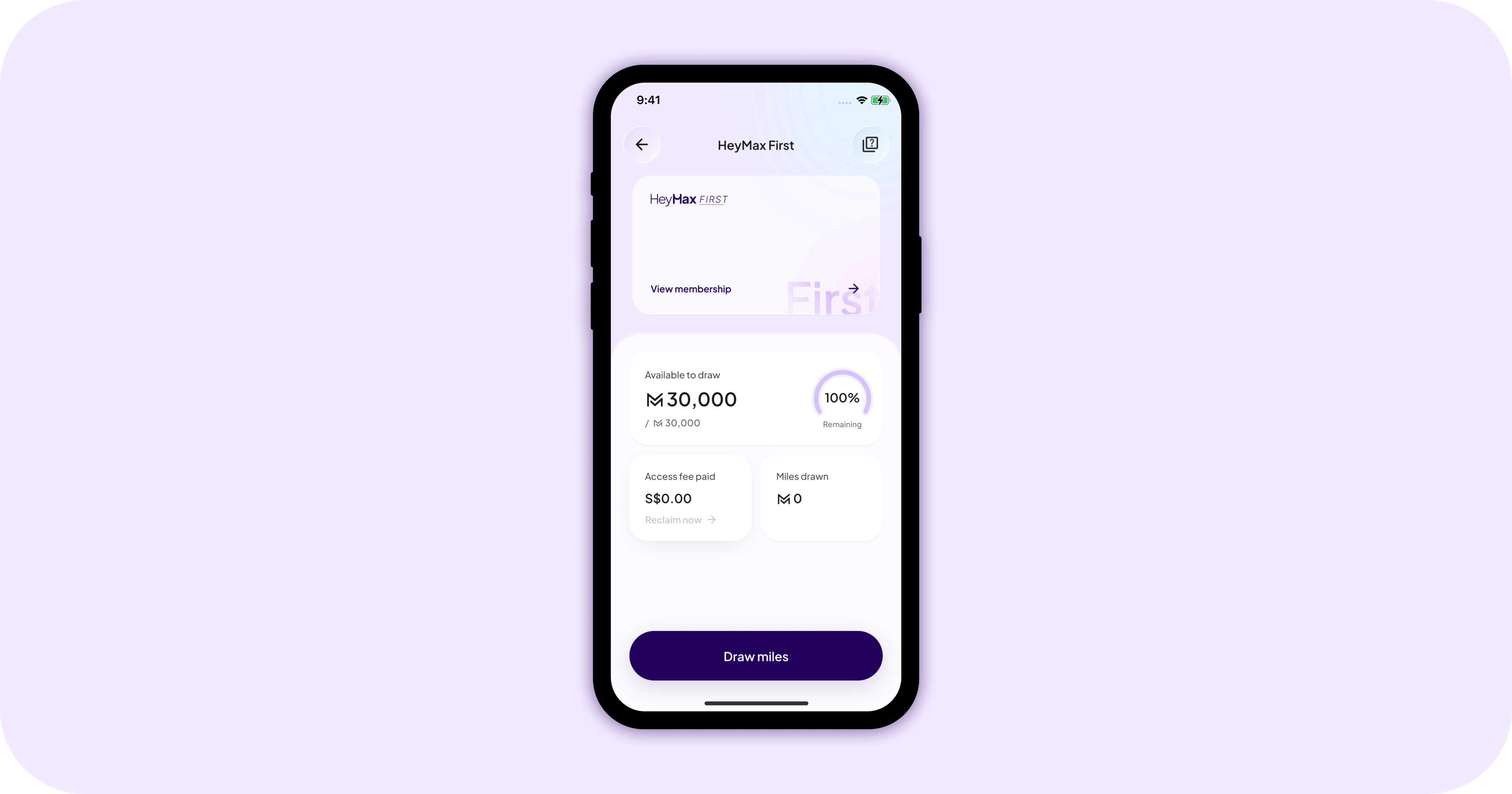
Open HeyMax before checkout and search for the airline, platform or relevant travel merchant. If an earning route is available, read the current terms and start from the required link. Do not assume an old screenshot or a previous booking still qualifies.
2. Compare reward value with payment cost
Check the issuer's current terms for travel, online and foreign-currency transactions. Then compare the reward you reasonably expect with foreign-currency charges, conversion spread and any platform fee. Rewards should not be treated as free value when a more expensive payment route creates the reward.
Use a conservative estimate: count only rewards you are confident will post, not a promotional rate whose registration, cap or booking channel you have not verified. If the itinerary is expensive, save the relevant terms page or screenshot with the receipt.
3. Read the fare before choosing the card
A strong earn rate cannot rescue the wrong fare. Compare cancellation, date-change, baggage and seat-selection rules. Decide whether travel insurance needs the full fare or only part of it charged to the card, and confirm who must be travelling. For a group booking, verify whether every passenger receives the relevant protection.
4. Run the five-minute check
- Confirm seller, currency and total price.
- Check the fare's change and refund rules.
- Search the merchant in HeyMax and follow the current eligible route where applicable.
- Check the card's current exclusions, cap and insurance activation rule.
- Save the booking confirmation, payment record and eligibility evidence.
This sequence is more durable than a static card ranking. It works when issuers update terms and when the same airline purchase appears through several channels.
Practical HeyMax takeaway
Make HeyMax the checkpoint between choosing the itinerary and entering payment details. It can help identify an eligible earning route and complement card rewards where the current merchant terms permit stacking.
FAQ
Should I always book directly with the airline? No. Direct booking can simplify servicing, while an agency or portal may offer a different price or package. Compare the exact fare and support path, not the logo alone.
Can taxes and add-ons earn differently from the fare? They can appear as separate or differently classified charges. Verify issuer rules rather than assuming the whole booking receives one treatment.
What if the merchant is not on HeyMax? Choose the booking and payment route on its own merits. HeyMax should complement a sound purchase, not force a less suitable itinerary.
What if the official sources disagree? Prefer the source governing the exact account, market and transaction. Note effective dates and seek provider confirmation before committing money or irreversible points.
How conservative should reward value be? Use the value of an achievable, intended use after fees. If no credible use exists, assign little or no decision value rather than importing a headline valuation.
How long should records be kept? Keep terms, confirmations and receipts through fulfilment, reward posting and any refund, dispute or claim period. Follow longer legal or provider requirements where applicable.
When does simplicity win? When two options are close, choose the path with clearer support, fewer irreversible steps and lower monitoring burden. A strategy that is repeatedly executed correctly can outperform a fragile theoretical maximum.
Internal links: Travel booking card guide; online purchases and miles; Resources & Guides.
A worked booking example
Imagine two Singapore travellers booking the same return flight. The airline site shows a flexible fare in foreign currency. An online travel platform shows a slightly lower prepaid fare in Singapore dollars. The travellers should not compare only the displayed totals. They should put the operating flights, baggage, seats, change rules, refund path and payment currency side by side. If the platform fare excludes baggage or requires the platform to handle every change, the apparent saving may not survive the comparison.
Next, they should search both sellers in HeyMax. If only one has a current eligible earning route, they can record that as incremental value, but they should not assign it more value than the fare difference or support trade-off. They should then read their issuer's current terms for airline, online travel and foreign-currency spend. Only rewards that clearly apply belong in the calculation.
The final decision sheet can be simple:
| Check | Airline direct | Platform |
|---|---|---|
| Same flights and cabin | Confirm | Confirm |
| Baggage and seats | Included or priced | Included or priced |
| Change/refund owner | Airline | Platform or airline; verify |
| Charge currency | Record | Record |
| Card eligibility | Verify with issuer | Verify with issuer |
| HeyMax route | Check current listing | Check current listing |
| Total cost after required extras | Calculate | Calculate |
This does not guarantee that direct or platform booking wins. It ensures the decision is made on comparable facts.
What to do when the payment path is unclear
If the checkout page uses a payment processor or local affiliate, do not guess the merchant category. Look for the legal seller on the payment page and receipt, then consult current issuer guidance. Where the reward difference is small, choose the route with clearer servicing and documentation. A speculative bonus is a weak reason to accept a harder refund process.
For mobile wallets, instalment plans or “buy now, pay later” options, verify whether the card still sees the underlying airline or sees the intermediary. Also check whether insurance activation depends on charging the fare directly. These questions matter more than a generic recommendation because issuers can update exclusions and digital-wallet treatment.
After-payment control
Within a day of purchase, check that the airline can retrieve the booking and that passenger names, dates and ticket numbers are correct. Save the e-ticket, itemised receipt, payment confirmation and the relevant dated terms. When the card transaction posts, compare the merchant and currency with the expected route. If Max Miles are expected, follow the current tracking timeline and support process rather than immediately repeating the transaction.
For changes or refunds, keep a chronological record of airline, platform and insurer contacts. Refunds can post differently from purchases, particularly when currency conversion is involved. Documentation makes it easier to separate a merchant issue from a card-rewards or HeyMax-tracking question.
Expanded FAQ
What matters more: a slightly better earn rate or flexible fare rules? For a trip with meaningful change risk, fare flexibility can have much greater practical value. Estimate the cost of one plausible change and compare it with the reward difference.
Should I split payment across two cards? Split payment can complicate insurance activation, refunds and support. Use it only when the seller permits it and each consequence is understood.
Can a booking earn airline miles, card rewards and Max Miles? These are separate layers. Flight accrual depends on fare and programme rules; card rewards depend on issuer treatment; Max Miles depend on the current eligible HeyMax route. Verify all three independently.