
It's easy to end up with a wallet full of rewards cards, each promising a slightly higher earn rate on a slightly different category. The question worth asking isn't "should I get another card?" but "how many cards can I actually manage well enough to earn more than I lose to complexity?"
Quick answer
For most people, a manageable rewards setup is 2 to 4 cards: one everyday default, one or two category specialists, and optionally one for overseas or online spend. Beyond that, tracking exclusions, caps, and renewal fees usually costs more effort than the extra rewards are worth. Layer HeyMax on top to catch merchant-level Max Miles regardless of which card you use.
Why one card is rarely enough
A single card, however good its headline rate, usually has category caps, exclusions, or a rate that doesn't apply everywhere. Groceries, dining, travel, and online purchases can each be coded differently, and no single card is optimised for all of them at once.
This is why many rewards-focused spenders end up with a small set of cards, each doing one job well, rather than one card doing every job adequately.
Why too many cards backfires
Once you're carrying more than four or five cards, a few problems tend to show up:
- You forget which card is best for which merchant, and default to whichever is in your wallet at checkout.
- Minimum spend and cap tracking becomes a chore, especially across multiple statement cycles.
- Annual fees accumulate faster than the marginal rewards they unlock, especially for cards you use rarely.
- Exclusions overlap or conflict, so you can end up with no card that earns well on an unusual purchase.
At that point, adding another card to "cover" a gap often adds more tracking overhead than it earns back.
A 2-4 card framework
Instead of chasing every bonus category, build your wallet around a small number of roles:
- Everyday default card: the card you use when nothing else clearly applies. Should have a solid uncapped or high base rate.
- Category specialist(s): one or two cards for your highest-volume categories, such as groceries, dining, or transport, where a specialist rate meaningfully beats your default.
- Travel or foreign-currency card: useful if you travel or shop overseas often, since FX fees and travel bonus categories usually need dedicated cards.
- Optional online-spend card: only if your online spend is high enough and coded differently from in-store purchases on your existing cards.
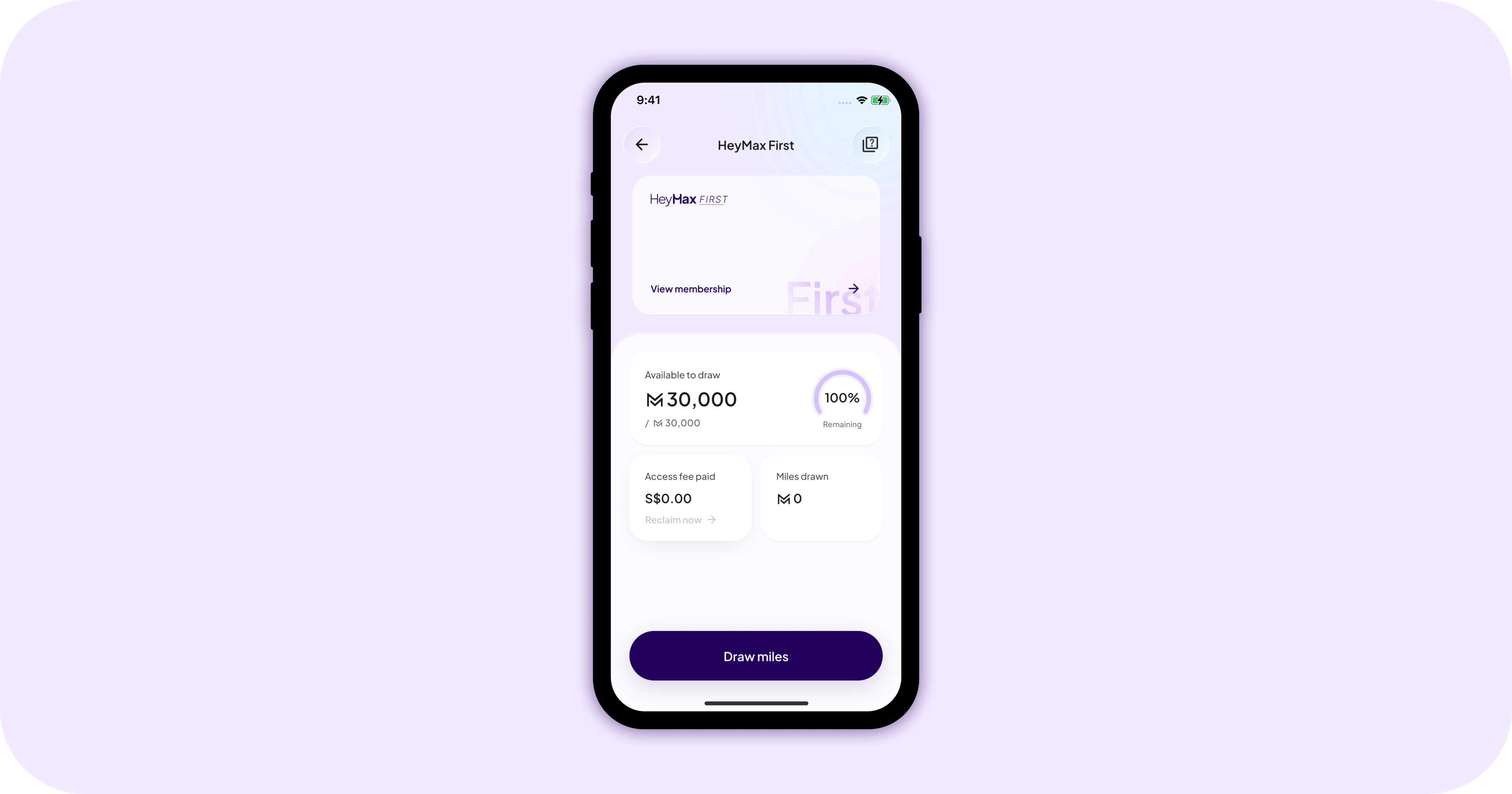
Whatever the card mix, run every eligible purchase through HeyMax first, since Max Miles earning sits on top of card rewards and isn't tied to any single card.
Spend categories to map before adding a card
Before applying for another card, map your actual spending across a few months:
- Groceries and everyday retail
- Dining and food delivery
- Transport and commuting
- Travel bookings and overseas spend
- Recurring bills and subscriptions
- Online shopping
If one category is small, a specialist card for it is unlikely to be worth the extra tracking, regardless of the headline rate.
Caps, exclusions, and the review habit
Cards with bonus categories almost always have caps, minimum spend thresholds, or exclusions. A card that looks strong on paper can underperform if:
- You regularly exceed the monthly bonus cap.
- Your typical purchases fall under an excluded merchant type.
- You don't hit the minimum spend needed to unlock the bonus tier.
Set a habit of reviewing your card lineup every quarter: drop cards that no longer earn back their annual fee, and only add a new one if it clearly fills a gap your current set doesn't cover.
FAQ
Is having too many credit cards bad for rewards?
Not inherently, but each additional card adds tracking overhead. If you can't remember which card to use where, or you're missing caps and exclusions, you likely have more cards than you can manage well.
What's a good starting number of rewards cards?
Two to four is a practical range for most spenders: one everyday default, one or two category specialists, and optionally one for travel or foreign-currency spend.
Does HeyMax replace the need for multiple cards?
No, HeyMax works alongside your cards. Max Miles earning is based on the merchant, not the card, so it adds a layer on top of whichever card you use, rather than replacing the need to pick the right card.
How often should I review my card lineup?
Roughly once a quarter, or whenever your spending pattern changes significantly, such as a new job, travel plans, or a shift in where you shop.
Bottom line
More cards are not automatically better. Build your wallet around a small number of clear roles, review it regularly, and check HeyMax before checkout so you're not leaving Max Miles on the table regardless of which card you reach for.
Read next: Credit Card Rewards Maximiser: HeyMax's Smart Tool
Read next: Best Credit Card for Overseas Travel in Singapore 2026
Card rewards, fees, caps, exclusions, and Max Miles eligibility can change. Always check the latest card terms and HeyMax merchant details before applying for a new card or making a purchase.