
How Credit Card Points Transfers Work: Search First, Transfer Second, Book Third
When you transfer credit card points, a bank converts its reward currency into a separate airline or hotel loyalty currency. The points leave the bank ecosystem and arrive in the membership account you nominate. From then on, the destination programme controls their expiry, redemption prices, availability, change rules and permitted uses.
The transfer form may take only a few minutes, but the decision around it deserves more care because most transfers cannot be reversed. The safest operating sequence is simple: search for a real use, confirm the conversion, transfer only what you intend to use, then book promptly when the points arrive.
What changes when bank points become loyalty miles
Bank points are usually useful only inside the bank’s own rewards ecosystem. They may support several transfer partners or other redemption types. Airline miles and hotel points belong to one destination programme and follow that programme’s rules. A conversion therefore exchanges flexibility for a more specific booking currency.
The numbers also describe different units. A bank-point balance does not equal the same number of airline miles. The issuer sets a conversion ratio and may require transfers in minimum blocks. A request can leave a remainder at the bank or require more points than the award’s mileage figure seems to suggest.
Ownership changes as well. The bank handles the transfer request and can confirm whether it was submitted, while the airline or hotel controls the received currency and award booking. When a problem arises, identifying which stage failed helps you contact the correct provider.
Step 1: Search for something you can actually book
Define the trip before opening a transfer screen: route or property, date range, number of travellers, cabin or room type and acceptable alternatives. Search while logged in to the destination programme. Record the exact points and cash required, operating carrier or property, and cancellation conditions.
If a partner airline operates the flight, confirm that the programme receiving your points can see and ticket it. Availability displayed by the operating airline, another partner or an external tool may not be available to the programme you plan to fund. Repeat the search at the ticketing source.
Calculators and award charts are useful planning aids, not inventory. They can estimate how many miles a route might require without confirming a seat. Use HeyMax’s award-seat search workflow to distinguish route research from live, bookable availability.
Step 2: Confirm the complete conversion
Open the card issuer’s live rewards portal and verify that the destination programme is currently supported. Check the conversion ratio, minimum transfer block, fee, processing estimate and whether the request can be cancelled. Read any special rule for first-time transfers, nominees or linked membership accounts.
Make sure the loyalty account number and membership name are correct. Names should follow the required format across both accounts. A mismatch or incorrect number can delay a transfer, and a transfer sent to the wrong valid account may be difficult to recover.
Calculate the bank points needed for the award, not merely the airline miles shown. Add the cash component and any transfer fee. If a block size forces extra miles into the destination programme, decide whether that remainder has a credible use before proceeding.
Step 3: Transfer only what the plan requires
Move enough for the intended booking plus only a deliberate buffer. A small buffer can help when the programme prices a segment differently at checkout, but an undefined “just in case” amount creates stranded miles. Once transferred, the currency may expire or have fewer useful options than it did at the bank.
Save the transfer confirmation, including the date, amount, destination programme and reference. Monitor both accounts according to the current processing estimate. Do not submit duplicate requests because the receiving balance has not updated immediately; first confirm the status with the sender.
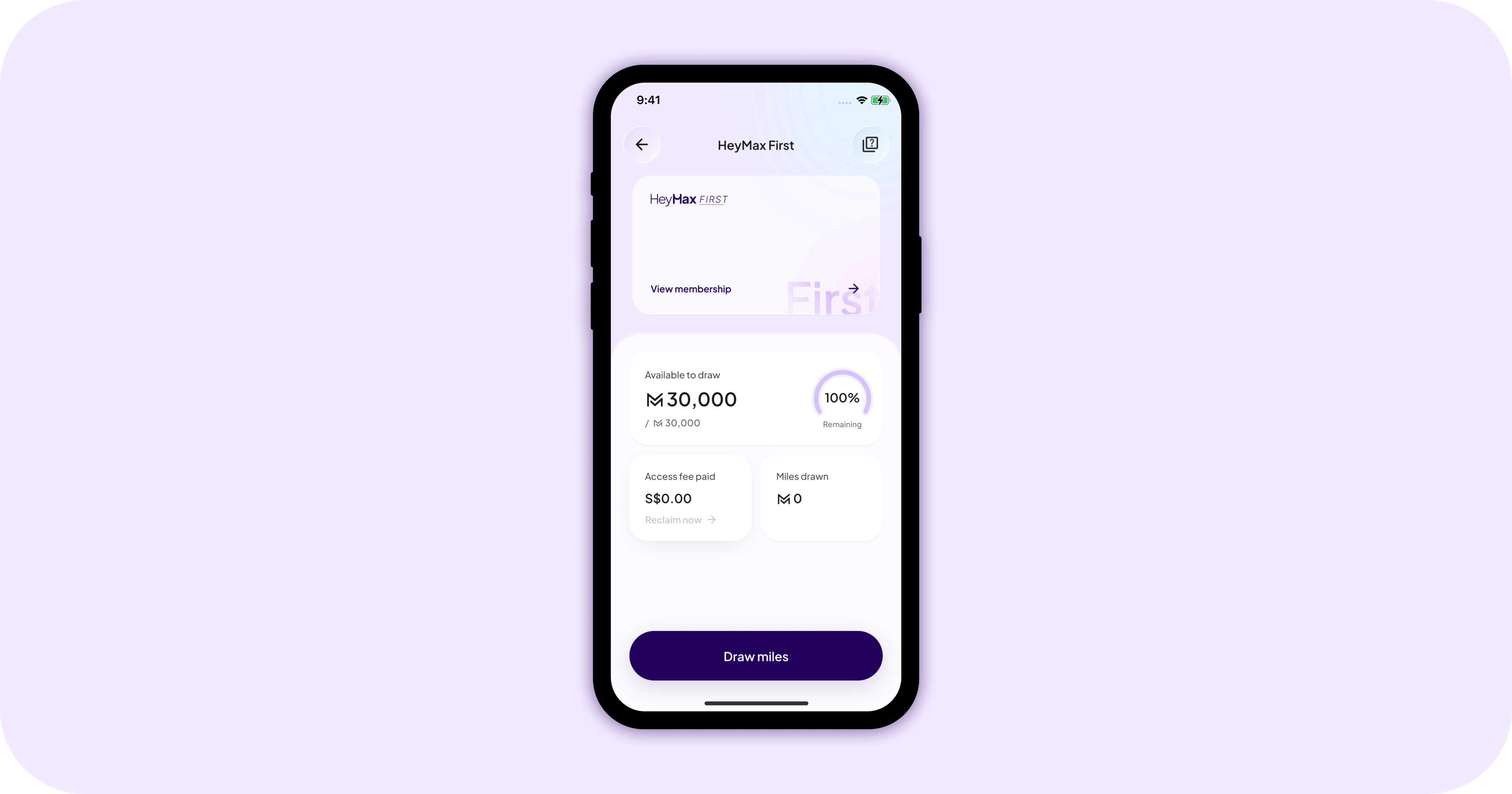
Max Miles can also provide flexible travel and transfer choices, but the mechanics are not assumed to be identical to a bank transfer. Verify the current destination, ratio, minimum, timing and redemption route shown by HeyMax before acting. The transferable-points guide explains why preserving options until use is valuable.
Step 4: Search again and book when the points arrive
Award inventory can change during the transfer. Repeat the search as soon as the balance arrives and confirm the flight, operating carrier, cabin on every segment, traveller names, mileage price and cash charges. Do not rely on an itinerary saved before the transfer.
Complete the reservation through the programme holding the miles. After payment, retain the ticket number or hotel confirmation and inspect all details. A booking reference alone may not prove that a flight ticket was issued. Correct any name or itinerary problem through the programme’s official process promptly.
If the original award has vanished, stop and use the fallback plan rather than rushing into a poor substitute. Search nearby dates or airports, a different partner itinerary or a later trip that uses the same programme. Compare a cash fare when the points option no longer meets the original constraints.
The three-owner handoff
| Stage | Primary owner | Evidence to keep |
|---|---|---|
| Bank points balance and request | Card issuer | Balance, conversion terms and transfer reference |
| Received loyalty currency | Airline or hotel programme | Membership account and deposit record |
| Award reservation | Ticketing programme | Search details, confirmation and ticket number |
The operating airline may differ from the programme that issued the ticket. For voluntary changes, cancellations or partner-award problems, begin with the ticketing programme unless current instructions say otherwise. The operator remains responsible for day-of-travel operations.
Keeping each owner and reference clear is especially helpful when a transfer is delayed. Ask the bank whether the request was processed, then give the destination programme the sender’s reference if instructed. Avoid repeatedly changing account details while an investigation is open.
What can go wrong between search and booking
The seat disappears
Award inventory is not normally reserved merely because you intend to transfer. Another traveller may book it while points move. Reduce exposure with flexible dates, more than one acceptable flight and a backup use in the same programme. Check whether an official hold exists, but never assume one.
The transfer takes longer than expected
Published timings are estimates, not guarantees. First-time linking, name checks, weekends or technical reviews may affect processing. Leave margin when travel is urgent and avoid initiating a transfer that must arrive by an unsupported personal deadline.
Displayed availability cannot be ticketed
A programme can occasionally display partner inventory that fails during confirmation. Search again, try the complete booking path without submitting and use the programme’s official support where appropriate. Do not transfer solely on the evidence of a third-party screen.
The programme price or your plan changes
Award prices, cash components and travel plans can change. A backup itinerary and a second useful redemption in the same programme reduce the damage. Speculative transfers without a timetable carry the greatest exposure because there is no immediate booking to anchor the decision.
A pre-transfer checklist
- Define the exact trip, traveller count and acceptable alternatives.
- Confirm live availability in the programme that will issue the booking.
- Record points, taxes, surcharges and change or cancellation terms.
- Verify the bank conversion ratio, block, fee and timing.
- Match the loyalty account name and number.
- Calculate the bank points required and any leftover miles.
- Identify a backup use in the destination programme.
- Save search and transfer evidence without exposing credentials.
- Repeat the search and book promptly after arrival.
For a broader comparison of possible destinations, use the destination-first method rather than starting with a bank logo. It keeps the transfer decision connected to the journey instead of turning the partner list into a collection goal.
Worked scenario: one seat, two funding options
A traveller finds a suitable award in a programme supported by two flexible balances. Before moving either one, the traveller records the live seat, required miles and cash, then compares the conversion block and timing for each source. One route requires fewer points but has a longer expected processing period.
The traveller’s dates are fixed and only one seat is visible. Speed and a credible fallback may therefore matter more than the smallest point cost. If neither route offers acceptable confidence, a cash booking can be the disciplined choice. The existence of transferable points does not require their immediate use.
After choosing, the traveller transfers only the planned amount, saves the reference and repeats the search when the balance posts. This scenario illustrates why search-transfer-book is a risk-control sequence, not a promise that availability will wait.
Frequently asked questions
Are credit card points transfers instant?
Some transfers may complete quickly while others take longer. Use the current estimate displayed by the sender and allow for delay. A previous transfer time is helpful experience, but it does not guarantee the next request.
Can I reserve an award while points transfer?
Some programmes may offer an official hold under defined conditions, while many do not. Check the programme’s current policy before relying on one. A saved itinerary or screenshot is not the same as a protected reservation.
Do award flights earn miles?
Award tickets commonly do not earn miles like eligible paid fares, though rules vary. Check the ticketing and operating programme’s current terms. Judge the award on the travel value it delivers, not on assumed future earning.
Can I cancel a transfer after submitting it?
Usually, you should assume you cannot. Review the confirmation screen carefully before submission. If an error occurs, contact the sender immediately, but do not represent recovery as guaranteed.
The HeyMax takeaway
The transfer itself is a short transaction; the preparation protects its value. Search for a real booking, confirm the complete conversion, move only what you need and book promptly. Compare current HeyMax options with bank transfers without assuming identical rules, and preserve flexibility whenever the trip is not yet ready.