
A restaurant meal can be paid at the counter, through a QR wallet, inside a reservation app, by delivery platform or with a voucher. Those paths may look identical to the diner but not to a card issuer. Start with the bill path.
Identify the transaction
Ask who will process payment and whether the restaurant, platform or wallet appears as the merchant. Split bills and deposits can also be separate transactions. Check current issuer conditions for dining, contactless, online and wallet payments.
Compare the whole meal
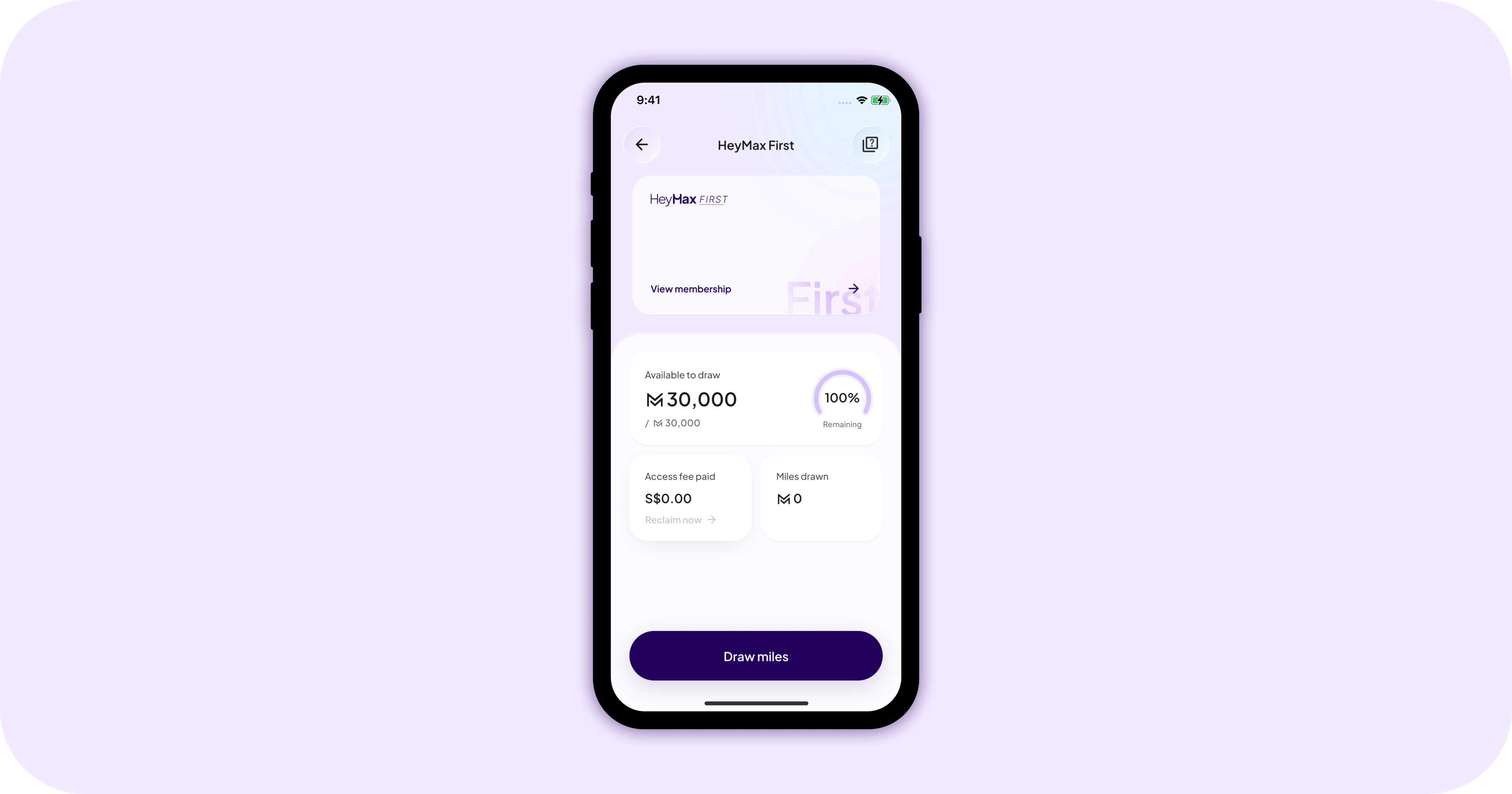
Rewards come after price and experience. Include reservation deposits, service charges, voucher restrictions, minimum spend and cancellation terms. If HeyMax lists the merchant or a usable dining voucher, read the in-app terms before starting the purchase and confirm the voucher can be used at the chosen outlet and time.
Keep the strategy social
For group meals, do not create friction to capture a small reward. Decide in advance who pays, how reimbursements work and whether a voucher balance can cover the bill. Keep the receipt until miles and card rewards post.
The durable habit is simple: identify the payment route, verify current eligibility, then choose the card. A static “best dining card” list becomes stale; this decision process remains useful.
FAQ
Does food delivery count as dining? It may be treated as dining, online spend or a platform transaction. Check current terms.
Can a restaurant voucher be used with promotions? Voucher and outlet terms vary. Confirm before purchase and reservation.
Can I earn Max Miles on every restaurant? No. Availability and eligibility vary; search HeyMax at the time of purchase.
What if the official sources disagree? Prefer the source governing the exact account, market and transaction. Note effective dates and seek provider confirmation before committing money or irreversible points.
How conservative should reward value be? Use the value of an achievable, intended use after fees. If no credible use exists, assign little or no decision value rather than importing a headline valuation.
How long should records be kept? Keep terms, confirmations and receipts through fulfilment, reward posting and any refund, dispute or claim period. Follow longer legal or provider requirements where applicable.
When does simplicity win? When two options are close, choose the path with clearer support, fewer irreversible steps and lower monitoring burden. A strategy that is repeatedly executed correctly can outperform a fragile theoretical maximum.
Internal links: Vouchers at HeyMax; HeyMax beginner guide; Resources hub.
Restaurant, platform and voucher scenarios
For a direct restaurant payment, identify whether a deposit was charged earlier and whether the final bill will be processed by the same entity. For a reservation app, confirm whether it merely holds the booking or collects the payment. For delivery, compare menu markup, delivery and service fees before assigning any value to rewards.
A HeyMax dining voucher adds another path. Verify the outlet, day or time restrictions, minimum bill, partial-use rules and expiry. If the voucher cannot be combined with a restaurant promotion, compare both complete totals. A smaller reward on the lower bill can beat a larger reward on the higher bill.
A group-dinner example
Six friends plan a dinner. One person has an eligible voucher; another has a card they believe rewards dining. Before the meal, the group should confirm voucher acceptance, whether one bill is required and how reimbursements will work. At payment, they should avoid splitting into arbitrary amounts simply to chase several caps unless the restaurant and issuer treatment are clear.
Afterward, the payer can retain the itemised receipt and record reimbursements separately. This makes it easier to identify the actual out-of-pocket amount and avoids counting friends' repayments as a personal cost or reward.
Wallet and contactless ambiguity
Paying through a mobile wallet may preserve the underlying merchant, but treatment is card-specific. QR payments can route through a wallet or payment service. Check issuer terms rather than assuming every contactless or online dining transaction is equivalent.
If certainty matters, make a small test transaction and inspect the posted merchant. Do not ask staff to manipulate the payment path or misdescribe the merchant. A clean, compliant route is essential to sustainable rewards.
Dining abroad
For overseas meals, add currency and foreign-transaction cost to the worksheet. A dining multiplier may not offset conversion costs. Check whether a platform bills in a different country or currency and whether gratuity is a separate charge.
HeyMax merchant and voucher availability is market-specific. Search the app at decision time, and never assume an SG listing or term applies in HK or abroad.
Expanded FAQ
How should I handle a deposit? Save both deposit and final receipt. Confirm whether the deposit is deducted and whether it can be refunded if the reservation changes.
Do bars, cafés and hotel restaurants count as dining? Classification varies by merchant and issuer. Verify current rules; a venue name alone is not enough.
Is it worth buying a voucher for a one-off meal? Only if the voucher is valid for that exact venue and reservation, its terms are understood, and the total bill remains competitive.
What should an editor update over time? Avoid maintaining a fragile table of issuer rates. Refresh links, eligibility examples and HeyMax voucher workflow when terms change.